
Gate Motor Sizing: Why Weight, Width and Daily Use Matter
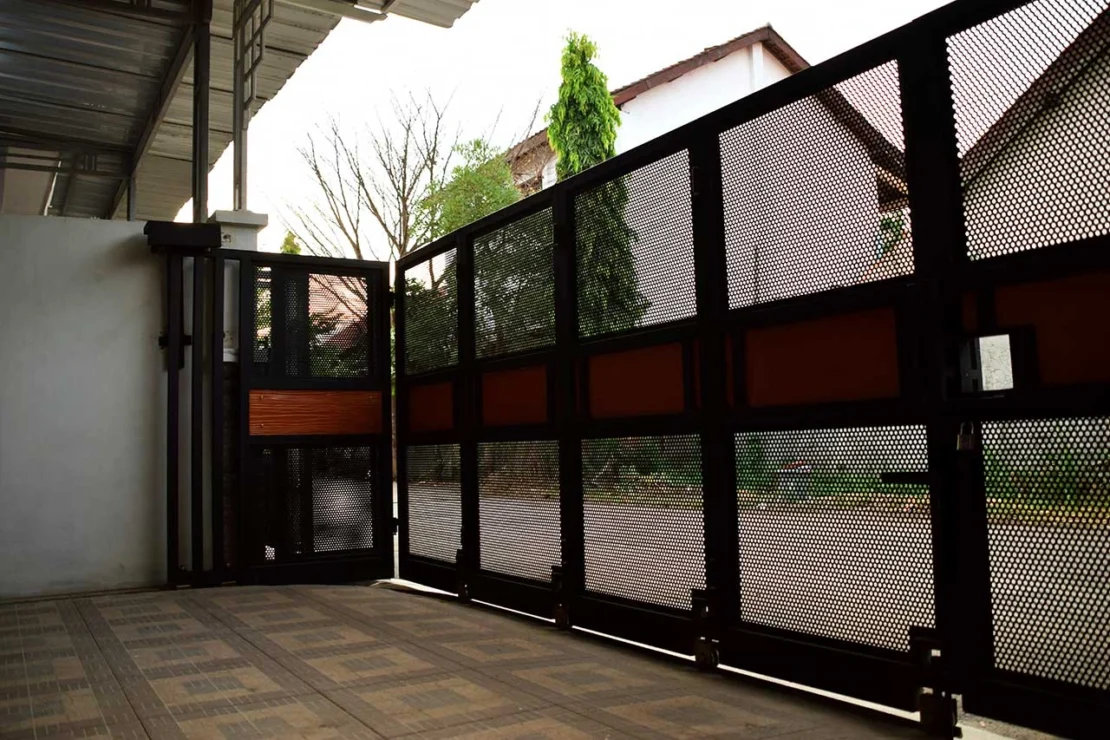
An undersized gate motor usually looks cheaper on paper and more expensive after installation. The motor has to move the gate on site: weight, width, rolling or hinge resistance, wind load and daily openings.
That is why a gate automation Perth discussion should start with the driveway. Motor choice can affect the gate frame, posts, track, power, access control, safety accessories and electrical planning.
Start with the gate, not the motor catalogue
Sizing starts with the moving leaf or panel. For a sliding gate, measure the total gate length, clear opening width and run-back space. For a swing gate, measure each leaf separately and check the posts, hinges and opening arc.
Manufacturer ratings are useful, but they are not a promise that every gate near the limit will work well. A sticky wheel, uneven track or dragging guide can make a lighter gate harder to move than a heavier gate that rolls cleanly. Resistance matters as much as mass.
Weight ratings need room for real site conditions
Gate motors are often compared by maximum gate weight. At Gatemaster Australia, we supply motor options including 12V, 24V and 230V configurations sourced from Italy, Taiwan and China.
The safer habit is to leave margin. A steel sliding gate with dense infill, a long cantilever setup or a commercial gate used throughout the day should not sit at the edge of a motor’s rating. Aluminium can reduce gate weight, and we manufacture both steel and aluminium gates in our Maddington workshop, but material alone does not decide the motor. Width, balance, wind exposure and hardware condition still matter.
Width changes force, wind load and run time
Width is more than a driveway measurement. On a swing gate, a wider leaf gives wind and gravity more pull, so hinges, posts and motor arms work harder. On a sliding gate, extra length can mean more travel time, more rack, more guide contact and more sensitivity to a track that is not straight.
Closed or semi-solid infill can also catch wind. In exposed Perth metro, rural or coastal sites, a wide lightweight gate may still place a high load on the motor during gusty weather. A better design may use stronger posts, better wheels, another infill pattern or another gate style rather than simply moving up one motor size.
Daily use can matter more than the frame
A private driveway that opens a few times a day is a different job from a strata entrance, workshop gate or small industrial site. Daily cycles affect heat, wear, battery sizing and tolerance for friction.
This is where duty cycle and power supply deserve attention. A 24V motor can suit battery backup or solar kit setups where mains power is unavailable or unreliable, but solar depends on sun exposure, battery capacity, shading and usage. Heavy daily use can drain a poorly sized battery system even when the gate is within the motor’s weight rating. Buyers comparing gate automation kits should match the kit to the gate, site and expected use pattern.
If the measurements or usage pattern are unclear, contact our gate team before choosing a motor.
Quick sizing checks before you compare motors
| Sizing factor | What to check | Why it affects motor choice |
| Gate weight | Frame, infill, length and added cladding | Sets the base load the motor must move |
| Gate width | Clear opening and total leaf or panel length | Changes force, run time and wind load |
| Movement resistance | Wheels, track, hinges, guides and slope | Friction can overload a suitable motor |
| Daily use | Household, business, strata or rural pattern | Affects duty cycle, heat and servicing |
| Power access | Mains, battery backup or solar suitability | Shapes voltage and electrical planning |
Photobeams, remotes, keypads, intercoms, electric locks, batteries and receivers should be allowed for early, because gate accessories can affect wiring, control selection and final cost.
Power, safety and quote scope should be checked together
A motor quote should clarify what is included: motor, rack or arms, control board, remotes, safety devices, delivery, installation pathway and electrical work outside the gate package. For mains power, the WA Government’s having electrical work done guidance explains licensing requirements, so plan that part with a licensed electrical contractor.
Safety should be planned before installation, not treated as an optional afterthought. We recommend photobeams where suitable to help reduce entrapment risk, especially on gates with auto-close settings, shared access or limited visibility.
FAQs
Can I choose a gate motor from weight alone?
No. Weight is the first filter, but width, friction, slope, wind exposure, power supply and daily use can change the result. Poor wheels or hinges may need mechanical work before automation.
Is a bigger motor always better?
Not always. A stronger motor may cost more and still fail to solve a dragging track, weak post or unsuitable gate geometry. The aim is a motor that suits the complete setup.
Can I automate an existing manual gate?
Often, yes, if the gate is straight, structurally sound and moves freely by hand. The gate may need hinges, wheels, gear rack, stops or posts adjusted before a motor is fitted.
If you’re planning a new automated gate or replacing a tired motor, gather the gate width, approximate weight, opening style, power access and expected daily use. Our Maddington team can help you compare suitable motors, safety accessories and installation pathways, then request a gate quote in Perth with the details needed for a clearer answer.