
Electric Gate Maintenance in WA: How to Stop Salt and Sand from Killing Your Motor
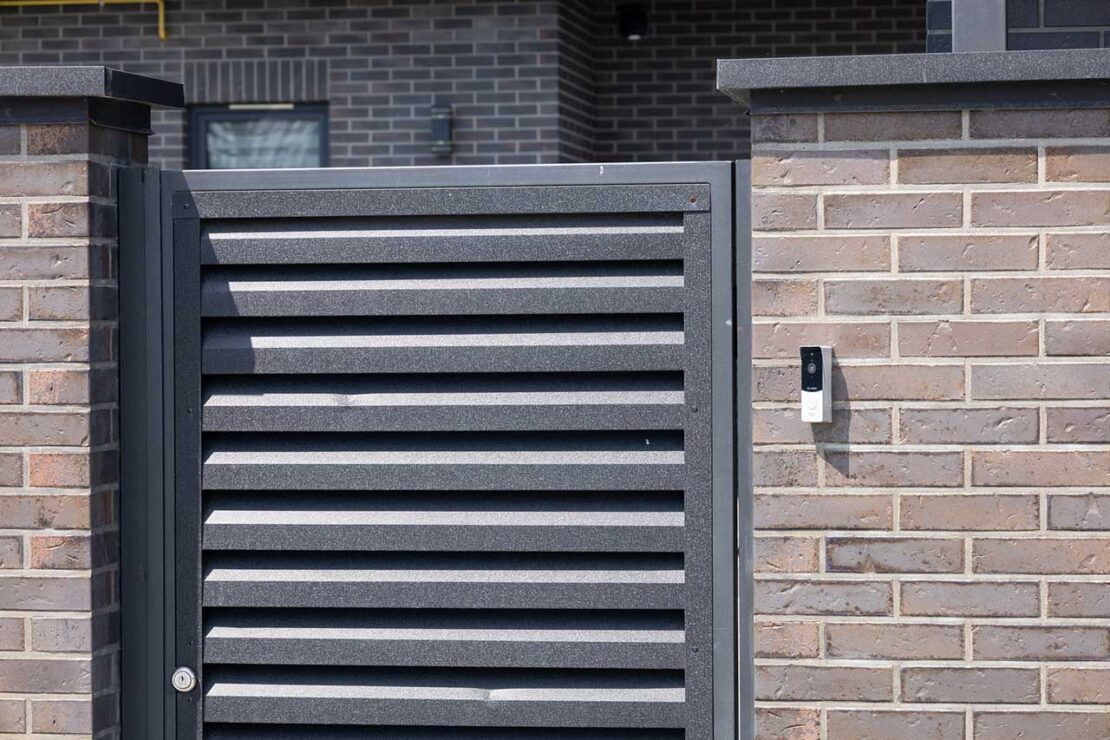
Coastal suburbs in Australia cop salt air, inland sites deal with dust, and many homes sit close to sand, wind and heat. A gate motor may look protected inside its casing, but it still relies on clean tracks, dry wiring, sound seals and smooth movement. When those parts are ignored, the motor works harder than it should and a small issue can become an expensive repair.
Quick Answer: How to Protect Your Gate Motor from Salt and Sand
To protect a gate motor in WA,
- Keep tracks and rollers clear
- Wash salt residue from exposed metal
- Check for rust
- Avoid spraying water into the motor box, and
- Book routine servicing before faults become obvious
Coastal homes and busy sites usually need closer attention than low-use gates.
How Salt Air Attacks Gate Systems
Sea breeze carries fine salt particles that settle on posts, hinges, brackets, fasteners, motor covers and control boxes. Moisture then helps corrosion start around exposed metal and electrical connections.
Common signs include:
- Rust around hinges, bolts or the motor casing
- White or greenish residue near terminals or wiring
- A gate that works some days but not others
- Slower opening in damp or windy weather
- Paint bubbling around joins and brackets
The motor may still be sound, yet corroded connections can interrupt power or confuse the control board. Rust also weakens fittings and increases drag. Early cleaning, sealing and replacement of damaged fittings can often prevent a full motor replacement.
Why Sand and Dust Wear Motors Out
Sliding gates are especially exposed because their tracks sit close to the ground. Sand, leaves and grit build up in the track, around the wheels and along the rack. The motor then has to push through extra resistance every time the gate opens.
Watch for these warning signs:
- Grinding, scraping or clicking sounds
- Jerky movement or stopping halfway
- The motor running while the gate barely moves
- A burning smell after repeated use
Swing gates have fewer track issues, but they still suffer when sand gathers around hinges or grit gets inside housings. Any gate that feels heavy by hand will be harder on the motor once automation takes over.
Maintenance Checklist for WA Properties
A practical maintenance routine for your electric gates does not need to be complicated. The aim is to remove friction, spot corrosion early, and keep electrical parts protected.
- Clear sliding gate tracks weekly, after windy days.
- Sweep or blow sand away from rollers, racks and guide posts.
- Check hinges, brackets, bolts and weld points for rust.
- Rinse salt residue from exposed metal with fresh water, while keeping water away from the motor casing and control box.
- Listen for new noises during opening and closing.
- Make sure the gate moves freely when released for manual operation.
- Inspect motor covers, seals and cable entry points.
- Test remotes, keypads and safety sensors.
- Book a service if the gate slows down, shudders or reverses unexpectedly.
A technician can check motor load, control boards, safety beams and worn mechanical parts.
When to Call a Gate Technician
Clearing debris and checking visible rust are sensible owner tasks. Motor faults, wiring problems and control board issues differ. Call a technician when the gate becomes unreliable, the motor clicks without moving, the gate reverses for no clear reason, or corrosion appears near electrical parts.
Repairs may involve replacing worn rollers, realigning the gate, treating rust, changing damaged cables, resetting limits or fitting a new motor. The earlier the fault is found, the more likely the motor can be saved.
Also Read: Smart Security: Integrating Your Gate Opener with Your Perth Home Security System
How Often Should Electric Gates Be Serviced?
For many residential gates, yearly servicing is a reasonable baseline. Coastal properties, strata complexes, commercial premises and high-use gates may need six-monthly checks, or more often where sand and salt exposure is severe.
Protect your gate motor before salt, sand and corrosion lead to a costly breakdown. Contact GateMaster for professional electric gate servicing and repairs through our trusted technicians.
Frequently Asked Questions
How often should an automatic driveway gate be serviced in WA?
Most residential gates should be checked at least once a year. Gates near the coast, on sandy blocks or at busy sites often need six-monthly servicing because salt, grit and frequent use place extra load on moving parts.
Can salt air damage an electric gate motor?
Yes. Salt can corrode brackets, hinges, terminals, wiring and motor housings. Once corrosion reaches electrical contacts, the gate may become slow, unreliable or completely unresponsive.
What is the best way to clean sand from a sliding gate track?
Sweep the track first, then remove compacted grit from corners and around wheels. Avoid blasting water into the motor housing. If the gate still grinds or drags, the rollers or rack may need adjustment.
Why does my gate motor make a grinding noise?
Grinding usually points to friction, worn gears, dirty tracks, misalignment or damaged rollers. Stop repeated operation and have the system checked before the motor overheats.
Should I repair or replace a faulty gate motor?
Repair is often possible when the issue is wiring, corrosion, alignment or worn hardware. Replacement may be better when the motor is burnt out, badly corroded or no longer suited to the gate’s weight and use.
Final Word
Salt and sand are part of life in WA, but they do not have to shorten the life of an automatic gate. Regular cleaning, early rust treatment and timely servicing can keep the motor running smoothly and reduce the risk of an expensive breakdown.