
Aluminium vs Steel for Driveway Automation (stiffness, corrosion, upkeep)
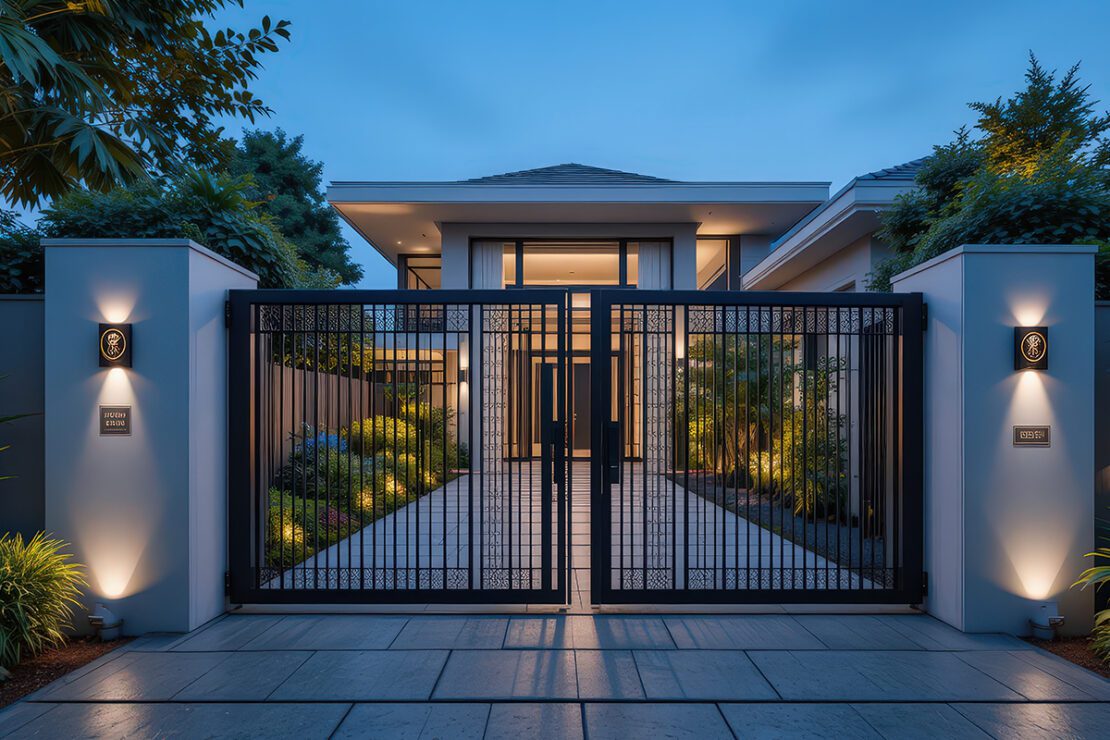
Coastal salty air, summer heat and daily cycling can all test a gate. If you are weighing up aluminium or steel for automatic driveway gates, the real differences show up in stiffness, corrosion protection and how much care each finish needs over time.
Stiffness, weight and what motors feel
Material density shapes how hard a motor has to work. Aluminium sits around 2,700 kg/m³ while steel is roughly 7,850 kg/m³, so like-for-like frames in steel are far heavier and put more load on gearboxes and racks. Motor makers rate operators by gate mass for a reason: overshoot the rating and you burn through components and batteries faster.
Aluminium: light, rigid enough, kinder to operators
Well-braced aluminium frames keep deflection in check while trimming mass, which helps with soft-start and soft-stop tuning and reduces wear on rollers. That is why many coastal households choose aluminium driveway gates when spans get wide or when a lighter leaf will let the opener run cooler and quieter.
Steel: higher stiffness, heavier duty feel
Steel brings higher modulus and a planted feel on wind-exposed driveways, especially for tall security designs. The trade-off is weight, which demands a correctly sized operator and beefy posts or piers. For privacy panels that act like sails, the added rigidity of steel driveway gates helps, provided the motor is rated with headroom for gusty days.
Corrosion basics: aluminium oxide vs steel coatings
Aluminium forms a self-healing oxide layer that resists general corrosion; alloy choice and trapped salts can still mark the surface, so the finish matters. Architectural powder coats over proper pre-treatment perform well near the coast if you keep salt off on a regular schedule.
Steel protection that lasts
Unprotected carbon steel rusts fast, which is why hot dip galvanised steel is the baseline for coastal work. Zinc coats the inside and outside of hollow sections and gives robust sacrificial protection that stands up in marine air when design and film thickness are right. You can powder coat over HDG for colour after compatible prep.
Fasteners and galvanic pitfalls
Mixing metals without isolation can start bimetallic attack. Stainless screws in aluminium are common, but in salty moisture the area ratio matters and pitting can appear around fixings. Use nylon or polymer isolators, seal crevices where water might sit and avoid direct stainless-to-aluminium contact where you cannot keep it dry. The Australian Stainless Steel Development Association spells out these rules clearly.
Powder coat care that actually preserves colour
Powder does not like salt deposits. Both majors recommend fresh-water rinses with pH-neutral detergent, soft cloths and stepped-up frequency in marine zones, especially on sheltered faces that rain does not wash. Following these schedules keeps finishes within warranty expectations and prevents the chalking and edge creep you see on neglected gates.
Stainless hardware and tea staining
316 fasteners, hinges and latches cope well, but they are not “fit and forget” by the ocean. Tea staining is a cosmetic rust-coloured film that forms when salt sits undisturbed. Regular washing, smoother surface finishes and smart detailing to avoid salt traps keep it in check.
Wind, infills and the strain on operators
Solid infills catch wind and add dynamic load, especially on swing gate automation. In windy suburbs, choose perforated or slatted designs, slow the opening speed, and specify magnetic locks or stronger brakes so the leaf does not shudder or re-open under gusts. Major automation brands point to wind loading as a key sizing factor, not just gate mass.
Sliding or swing: matching motors to material
Sliding gate motor system carry weight on the ground, which suits heavy steel leaves on wide driveways; swings hang the load off hinges, so lighter aluminium is attractive. Either way, pick an operator with clear mass headroom.
A practical upkeep schedule
Set simple reminders and the finishes will last.
- Wash-down: monthly to quarterly within 1 km of surf; three to six monthly at 1–5 km; more often for sheltered corners. Use fresh water and mild detergent only.
- Hardware check: quarterly for hinge pin wear, striker alignment and fastener tightness; re-grease per maker’s notes.
- Recoat or touch-up: follow AS/NZS 2312 guidance for steel systems if damage exposes bare metal.
Bottom line
Choose aluminium when low mass, quiet operation and easy upkeep are front of mind. Choose steel when stiffness, impact resistance and a solid feel matter most. Either option will serve for years if the coating system fits the site, fasteners are isolated, and you keep a realistic wash routine. For motor life, leave margin in the spec and tune safety devices to the gate’s real behaviour, not just its brochure weight. That approach keeps your automation smooth, safe and ready for another season by the sea.